
<>
Toronto, a bustling metropolis known for its diverse culture and vibrant energy, is also a city steeped in history. From its early settlements to its development into a major urban center, Toronto’s history is beautifully encapsulated in its historic buildings. These architectural marvels tell the story of the city’s past, offering glimpses into different eras and the lives of those who lived there. In this blog post, we will explore ten of Toronto’s most famous historical buildings, each with its own unique charm and significance. The places we’ll be looking at include Spadina Museum, Black Creek Pioneer Village, Fort York, the University of Toronto, Ontario Parliament, St. James Cathedral, Casa Loma, the Distillery Historic District, the Gooderham Building, and St. Lawrence Market. Join us on this journey through time as we uncover the fascinating histories of these iconic sites.
Spadina Museum: Historic House & Gardens
The Spadina Museum offers a window into Toronto’s affluent past. This stately mansion, built in the 19th century, is nestled in exquisite gardens and provides a snapshot of the lifestyle of the city’s elite. The museum showcases restored rooms, beautiful furnishings, and historical artifacts that narrate the lives of the Austin family, who lived there for three generations. Visitors can take guided tours to explore the mansion’s parlours, bedrooms, and servant quarters, each room decorated to reflect the early 20th century. The gardens, which feature a blend of Victorian and Edwardian designs, are also a highlight, presenting a serene escape from the modern hustle of the city. Seasonal events and workshops enhance the experience, making the Spadina Museum a must-visit for history buffs.
Black Creek Pioneer Village
Black Creek Pioneer Village is an open-air museum that brings the 19th-century rural Ontario experience to life. Situated in the northern part of the city, this heritage village features over 40 historic buildings, including homes, farms, and workshops, all restored to their original condition. The village aims to educate visitors on settler life during the 1800s, offering an immersive historical experience. Engaging activities such as blacksmith demonstrations, baking in a historic oven, and interactive tours make Black Creek Pioneer Village an enriching visit. The costumed interpreters, portraying 19th-century life, add an extra layer of authenticity and excitement, captivating visitors of all ages.
Fort York
Fort York is a key landmark in Toronto’s military history, dating back to the late 18th century. This National Historic Site was the scene of the Battle of York during the War of 1812 and has played a significant role in the city’s defense. Visitors can explore the well-preserved barracks, officers’ quarters, and gunpowder magazine, which offer insights into the life of soldiers stationed there. The fort features a series of exhibits highlighting artifacts, maps, and documents from the War of 1812. Reenactments and military drills conducted by historical interpreters provide a vivid portrayal of historical events, making Fort York a fascinating destination for history enthusiasts.
University of Toronto
The University of Toronto is not just an educational institution but a treasure trove of stunning architecture and history. Established in 1827, the university boasts a blend of Gothic, Romanesque, and modern buildings, each reflecting different periods of architectural style. Some of the standout structures include University College, Hart House, and Trinity College, all of which are architectural masterpieces. University College, completed in 1859, is a National Historic Site of Canada renowned for its picturesque Gothic Revival architecture. Hart House, a student activity center built in 1919, is also a cultural hub, offering artistic, musical, and recreational programs. A walk through the university grounds is like a journey through the pages of an architectural history book.
Ontario Parliament
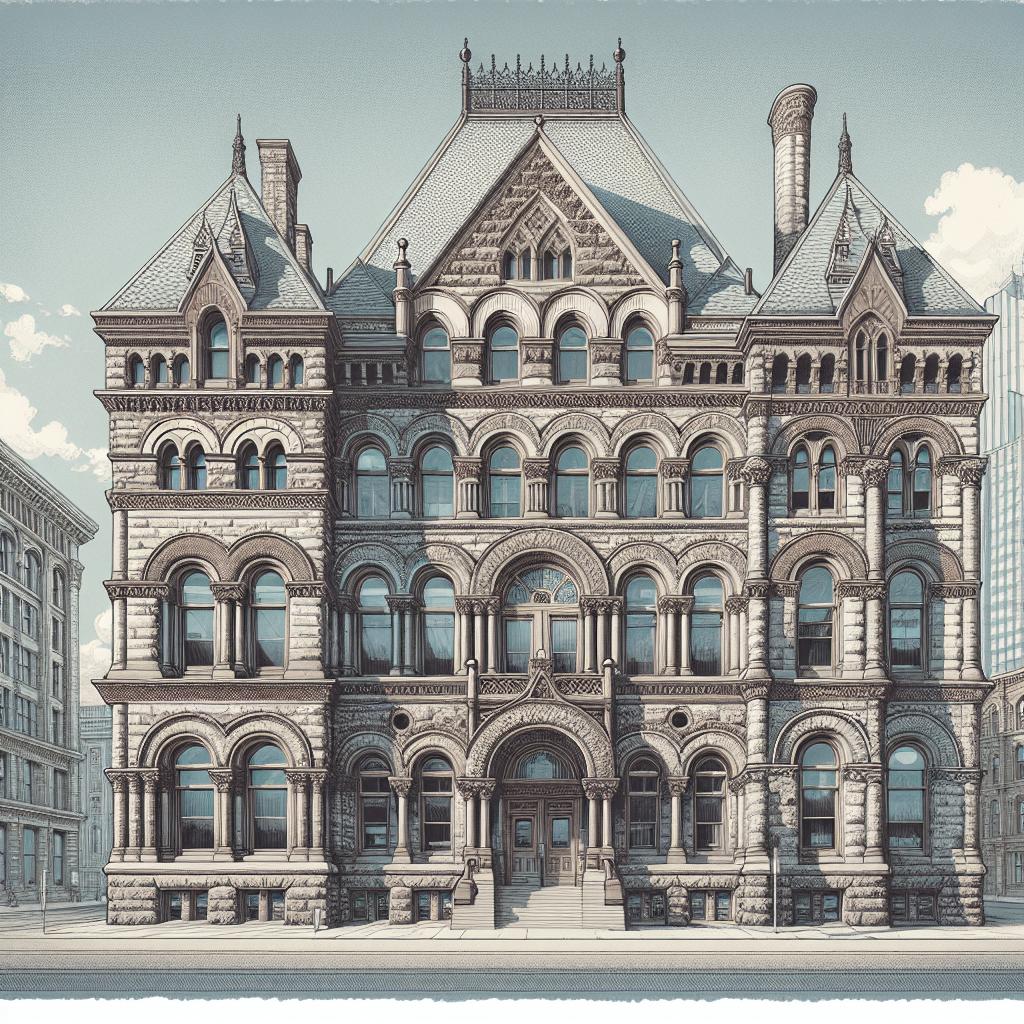
The Ontario Parliament, often referred to as Queen’s Park, is the epitome of political history in Toronto. The building, completed in 1893, is an excellent example of Richardsonian Romanesque architecture, with its grand staircases, intricate woodwork, and imposing stone façade. The legislature building is significant not just for its architectural beauty but for the pivotal political decisions made within its walls. Visitors can partake in guided tours that offer a detailed history of the legislative process and the architectural details of the building. The Speaker’s apartment, the legislative chamber, and the grand staircase are particular highlights of the tour, providing a comprehensive understanding of Ontario’s political heritage.
St. James Cathedral
St. James Cathedral stands as a beacon of religious history in Toronto. Founded in 1797, this Anglican cathedral is one of the oldest in the city, with its current Gothic Revival structure completed in 1853. Its impressive spire, beautiful stained glass windows, and intricate stonework make it an architectural gem. The cathedral not only serves as a place of worship but also as a venue for community events and musical performances, adding to its cultural significance. The adjacent park and garden offer a tranquil spot for reflection and meditation, making St. James Cathedral a serene and historic retreat in the urban landscape.
Casa Loma
Casa Loma is arguably Toronto’s most famous historic building, known for its grandeur and opulence. Built in the early 20th century by financier Sir Henry Pellatt, this Gothic Revival-style castle boasts over 98 rooms, luxurious furnishings, secret passages, and stunning gardens. The building’s architecture and design continue to captivate visitors from around the world. Visitors can explore the castle’s many rooms, including the grand library, the opulent ballroom, and the scenic conservatory. The estate’s gardens, especially beautiful in the summer, offer a picturesque setting that complements the castle’s majestic appearance. Casa Loma’s unique blend of history, architecture, and luxury make it a standout attraction in Toronto.
Distillery Historic District
The Distillery Historic District is a prime example of industrial heritage preserved and repurposed for modern use. Once home to the Gooderham and Worts Distillery, the largest distillery in the world during the 19th century, this area now thrives as a cultural and commercial hub. Cobblestone streets, Victorian-era industrial buildings, and a dynamic array of shops, galleries, and cafes create a unique historical atmosphere. The district frequently hosts festivals, art exhibits, and performances, making it a vibrant locale steeped in history. The adaptive reuse of historic buildings in the Distillery District serves as an excellent example of how cities can preserve their industrial past while fostering contemporary culture and commerce.
Gooderham Building
The Gooderham Building, also known as the Flatiron Building, is a Toronto icon famed for its distinctive shape and striking mural. Completed in 1892, this red-brick triangular building predates its more famous counterparts in New York City. The structure’s unique design and prominent location at the intersection of Front and Wellington Streets make it an architectural landmark. In addition to its historical and architectural significance, the Gooderham Building offers stunning views of the Toronto skyline, making it a popular subject for photography. The building continues to house commercial offices, maintaining its status as a functional piece of Toronto’s architectural heritage.
St. Lawrence Market
St. Lawrence Market is not only a foodie’s paradise but also a site of immense historical value. Founded in 1803, the market has long been a central hub for commerce in Toronto. The current building, with its distinctive red-brick façade and clock tower, dates back to 1850, embodying the architectural style of that period. The market offers a wide array of fresh produce, artisanal goods, and food from around the world, making it a culinary hotspot. It also hosts various community events, adding to its lively atmosphere. St. Lawrence Market’s blend of historical charm and contemporary vibrancy makes it a beloved landmark in Toronto.
Future Prospects
| Historic Building | Significance | Highlights |
|---|---|---|
| Spadina Museum | 19th-century mansion showcasing the lifestyle of Toronto’s elite | Restored rooms, historical artifacts, beautiful gardens |
| Black Creek Pioneer Village | Open-air museum depicting 19th-century rural Ontario life | Historic buildings, costumed interpreters, interactive activities |
| Fort York | Key military site from the War of 1812 | Preserved barracks, reenactments, military artifacts |
| University of Toronto | Blend of architectural styles from Gothic to modern | University College, Hart House, rich architectural history |
| Ontario Parliament | Political heritage site with Richardsonian Romanesque architecture | Guided tours, legislative chamber, grand staircase |
| St. James Cathedral | One of Toronto’s oldest Anglican cathedrals | Gothic Revival architecture, stained glass windows, community events |
| Casa Loma | Gothic Revival castle with over 98 rooms and stunning gardens | Opulent rooms, secret passages, picturesque estate |
| Distillery Historic District | Revitalized industrial area now a cultural and commercial hub | Cobblestone streets, Victorian buildings, arts and culture events |
| Gooderham Building | Iconic triangular building with unique design | Striking mural, historic architecture, skyline views |
| St. Lawrence Market | Historic marketplace founded in 1803 | Fresh produce, artisanal goods, lively events |

