<>
Navigating the Toronto subway system, affectionately known as “riding the Rocket,” can be daunting for newcomers. This comprehensive guide aims to simplify the Toronto Transit Commission (TTC) experience, breaking down essential elements from fares and passes to subway lines and top destinations. We will also explore above-ground options like buses and streetcars, provide etiquette and safety tips, and look ahead at expansion plans and technological advancements. Crucially, we’ll touch on customer service options to ensure a hassle-free journey. Whether you’re a local or a visitor, this guide will help you traverse Toronto more efficiently.
Business Travel Reset: How to Reduce Travel Related Emissions
In the quest to navigate Toronto’s bustling streets efficiently while reducing our carbon footprint, savvy business travelers increasingly turn to public transit. The TTC subway system represents an eco-friendly alternative to taxis or rental cars. By opting for the subway, you contribute to reducing greenhouse gas emissions and alleviate urban congestion. Carbon emissions from vehicles are a major contributor to climate change. In contrast, public transportation systems like TTC’s subway are designed to carry large numbers of passengers, making them more fuel-efficient per capita. Utilizing such services is a meaningful step toward sustainable travel. Additionally, many TTC stations are powered by electricity rather than fossil fuels, further minimizing environmental impact.
Riding the Rocket: A Beginner’s Guide to Toronto’s TTC Transit System – Navigating the Massive Network
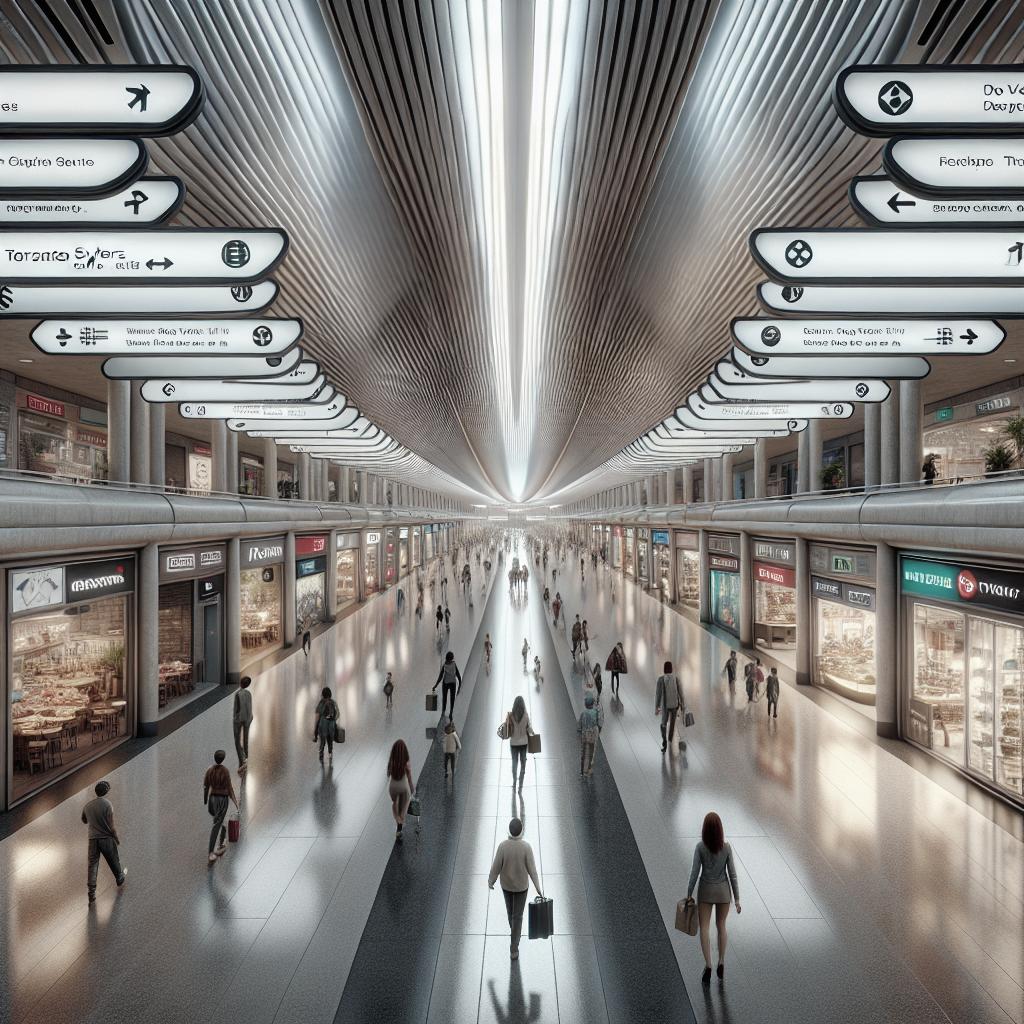
Toronto’s transit system is extensive, covering the city with a well-connected network of subways, streetcars, and buses. At first glance, the TTC map can seem overwhelming, but understanding it is the key to efficient travel. The subway system has four main lines: Line 1 (Yonge-University), Line 2 (Bloor-Danforth), Line 3 (Scarborough), and Line 4 (Sheppard). Stations are strategically located to serve populated areas and points of interest. Each line is color-coded for ease of navigation, with useful apps like the TTC Watch providing real-time updates and route planning. Signages in stations are clear and multi-lingual, ensuring accessibility. Connections between subway lines are straightforward, usually involving clearly marked passageways or escalators. Beyond the subway, the TTC integrates seamlessly with city buses and streetcars, offering a comprehensive transit solution for Torontonians and visitors alike.
Riding the Rocket: A Beginner’s Guide to Toronto’s TTC Transit System – Paying Your Way: Fares and Passes
Understanding the fare system can streamline your TTC experience. Single rides cost $3.25, but you can save by purchasing a Presto card, which reduces fares to $3.20 per ride and offers added convenience. Simply tap the card when entering buses, streetcars, and subway stations. Day and monthly passes cater to frequent travelers, providing unlimited travel within their specified timeframes. A day pass costs $13.50, while a monthly pass is $156. These options are beneficial if you plan to explore the city extensively or use the transit system for daily commuting. Consider family and group day passes for additional savings during weekends and holidays. Children under 12 ride for free, making public transport especially family-friendly. Furthermore, ticket vending machines and Presto card reload stations are ubiquitous, ensuring you never face travel interruptions due to fare issues.
Riding the Rocket: A Beginner’s Guide to Toronto’s TTC Transit System – Riding the Rocket: A Look at the Subway
The heart of the TTC system, the subway, offers a fast and reliable means of traversing the city. Line 1 (Yonge-University) is the longest and most frequently used, forming a U-shape that connects downtown with northern neighborhoods. Line 2 (Bloor-Danforth) runs east-west and intersects Line 1 at several key points, facilitating easy transfers. Lines 3 and 4 provide additional east-west and north-south coverage in less central areas. Trains typically run every few minutes, with peak periods featuring even more frequent service. Stations are equipped with digital displays indicating train arrival times and pertinent travel information. Accessibility is a priority, with elevators and escalators in most stations, alongside designated seating for those with mobility needs. Overall, the subway system is a vital part of Toronto’s transportation landscape, serving millions of passengers annually.
Riding the Rocket: A Beginner’s Guide to Toronto’s TTC Transit System – Above Ground: Buses and Streetcars
Beyond the subway, Toronto’s buses and streetcars extend TTC’s reach into every neighborhood. With over 140 bus routes and 10 streetcar lines, these services ensure comprehensive city coverage. Routes are coded with numbers and colors, making it easy to find your way. Buses are especially useful for reaching areas not served by the subway. Amenities such as bike racks on buses contribute to a versatile and eco-friendly commuting experience. Real-time tracking apps provide valuable information about bus arrival times and route changes. Streetcars offer a unique charm, running above ground through downtown streets and historic neighborhoods. They operate on consistent schedules, and their tracks are integrated with pedestrian zones, popular among tourists and locals alike. These vehicles are an integral part of Toronto’s urban identity.
Riding the Rocket: A Beginner’s Guide to Toronto’s TTC Transit System – Places to Go: Top Destinations Accessible by TTC
The versatility of the TTC ensures that numerous top Toronto destinations are within easy reach. For first-time visitors, the CN Tower and Ripley’s Aquarium of Canada, both accessible via Union Station, are must-sees. Harborfront’s cultural and recreational hubs are also conveniently close. For art lovers, the Royal Ontario Museum and the Art Gallery of Ontario are accessible from Museum and St. Patrick stations, respectively. Shoppers can head to Eaton Centre via Queen and Dundas stations, while sports enthusiasts find their way to Scotiabank Arena and Rogers Centre from Union Station. Discover vibrant neighborhoods such as Kensington Market, known for its eclectic vibe, accessible via Spadina station. Toronto’s diverse culinary scene is also within easy reach, with authentic eateries around every major subway stop, ensuring that every journey is an adventure.
Riding the Rocket: A Beginner’s Guide to Toronto’s TTC Transit System – Etiquette and Safety Tips for Riders
Practicing proper etiquette ensures a pleasant commuting experience for everyone. Offer seats to elderly, disabled, and pregnant passengers. Keep noise levels down, particularly when using headphones or engaging in conversations. During peak hours, move away from train doors to allow others to board or disembark easily. Safety is also paramount. Be mindful of your belongings, keeping them secured and within reach. Don’t block aisles or exits with large items. Follow station staff instructions and posted signs, especially during emergencies. Stations and vehicles are equipped with emergency buttons and intercoms to address immediate concerns. For late-night travel, use well-lit, populated stations, and avoid empty train cars. Report suspicious behavior to TTC personnel or law enforcement. The TTC’s commitment to safety is reflected in the presence of security cameras and transit officers, ensuring a secure travel environment.
Riding the Rocket: A Beginner’s Guide to Toronto’s TTC Transit System – The Future: Expansion Plans and New Technologies
The TTC is continually evolving to meet the city’s growing needs. Expansion plans include the highly anticipated Eglinton Crosstown LRT, scheduled to open in the coming years. This 19-kilometer light rail line will provide a fast and efficient east-west transit option, significantly reducing travel times. New technologies are being integrated, such as automated train control systems that improve service reliability and efficiency. Payment options are also expanding, with mobile payment methods being piloted to enhance convenience for tech-savvy commuters. The introduction of electric buses underscores TTC’s commitment to sustainability. Upgrading older infrastructure remains a priority, ensuring accessibility and modern amenities across the network. These advancements are set to make Toronto’s transit system even more efficient, user-friendly, and environmentally friendly in the years to come.
Riding the Rocket: A Beginner’s Guide to Toronto’s TTC Transit System – Getting Help: Customer Service for New Riders
Navigating a new transit system can be challenging, but TTC’s robust customer service ensures assistance is always available. Information booths at major stations provide in-person help for directions and fare queries. TTC’s website hosts a comprehensive FAQ section, along with route planners and service alerts. For real-time assistance, the Help Line is available, offering guidance on service disruptions, fare information, and more. Social media channels provide another platform for quick responses, while the Transit Watch App allows users to report safety concerns directly. Accessible customer service options, including TTY for hearing-impaired passengers, ensure inclusivity. Ultimately, TTC’s commitment to customer satisfaction helps riders of all experience levels feel confident and supported during their travels.
Final Thoughts
| Section | Summary |
|---|---|
| Business Travel Reset | Eco-friendly benefits of using TTC for business travel. |
| Navigating the Network | Overview of TTC’s extensive transit map and how to use it. |
| Paying Your Way | Details on fares, passes, and the Presto card system. |
| Riding the Rocket | A deep dive into the subway lines, schedules, and features. |
| Above Ground | Insights into bus and streetcar routes and their utility. |
| Places to Go | Highlighting top tourist attractions accessible by TTC. |
| Etiquette and Safety | Best practices to ensure a smooth and secure transit experience. |
| The Future | Upcoming expansions and the integration of new technologies. |
| Getting Help | Customer service resources for navigating the TTC with ease. |